Published:
Jan 30, 2026
Stocks vs ETFs: what’s the difference for beginners?
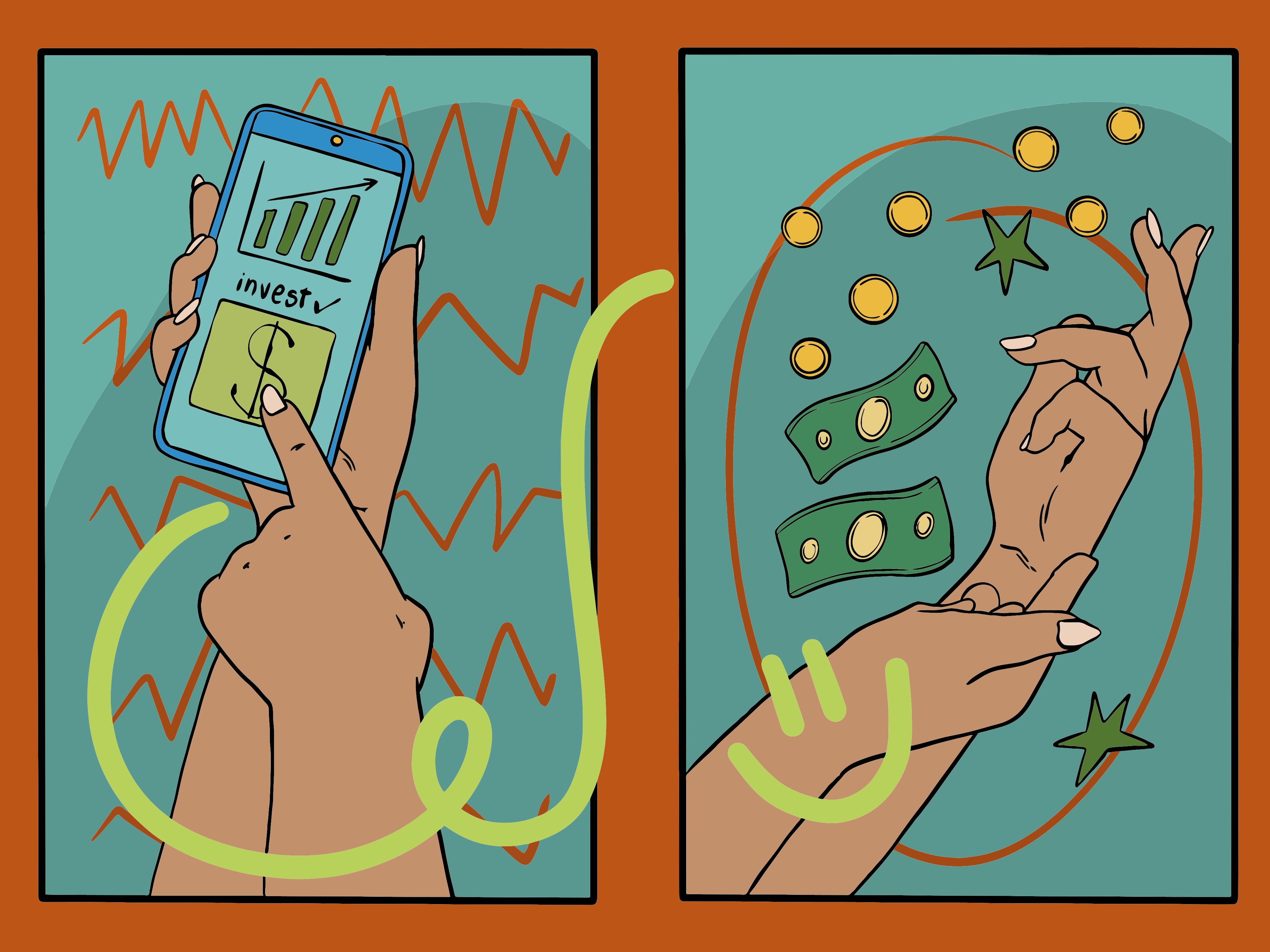
If you’re new to investing, one of the first questions you’ll likely ask is whether you should invest in stocks or ETFs. These terms can sound complicated at first, but the difference between them is easier to understand than many people think, especially when you relate them to everyday life.
A stock represents ownership in a single company. When you buy a stock, you are buying a small piece of that business. Your investment grows or shrinks based on how that one company performs. This is similar to owning a single coffee shop in your neighborhood. You choose that shop because you like the brand, trust how it’s managed, or believe it will attract more customers in the future. If the shop does well, you benefit. If it struggles, your investment is directly affected.
An ETF, short for exchange-traded fund, works differently. Instead of investing in one company, an ETF holds many companies together in one investment. Think of it like owning a small part of several shops along a busy street - a café, a bakery, a convenience store, and a pharmacy. Some shops may have slower days, others may do better, but overall the street remains active. This is how ETFs help spread risk across multiple businesses rather than relying on a single one.
A simple food analogy makes this even clearer. Buying a stock is like deciding you will only eat phở from one restaurant because you believe it’s the best. Buying an ETF is like enjoying different local dishes throughout the week - phở one day, bún another, cơm tấm the next. Both choices can be good, but one depends heavily on a single decision, while the other offers more balance and variety.
For many beginners, ETFs feel like a more comfortable starting point. They are generally easier to understand at a high level and reduce the impact of one wrong choice. ETFs allow new investors to learn how markets work without the pressure of constantly following company-specific news. Starting with ETFs doesn’t mean you’re being overly cautious or avoiding responsibility. It simply means you’re giving yourself space to learn.
That said, stocks are not bad investments. They are just more focused. Investing in individual stocks often requires a deeper understanding of how companies operate and how different events can affect their performance. Many investors begin with ETFs and later add individual stocks once they feel more confident. There is no rule that says you must choose one approach forever.
What matters most at the beginning is not finding the perfect stock or the best ETF. What matters is understanding what you’re investing in and feeling comfortable with your decision. If you can explain your investment choice to a friend in simple words, you’re probably on the right path.
Investing doesn’t need to start with big moves or complex strategies. It can begin with learning the basics, starting small, and building confidence step by step. At Teko, we believe investing should feel clear before it feels exciting. Learning comes first - confidence follows.
Subscribe to our newsletter
Stay sharp with curated tips, feature updates, expert insights, and to exclusive content delivered to your inbox every week. No spam, ever.